
Choose by the load and access frequency
Keep daily tools near the doors, dense parts low and bulky equipment measured against the clear opening. Do not pay for length that becomes unreachable storage.
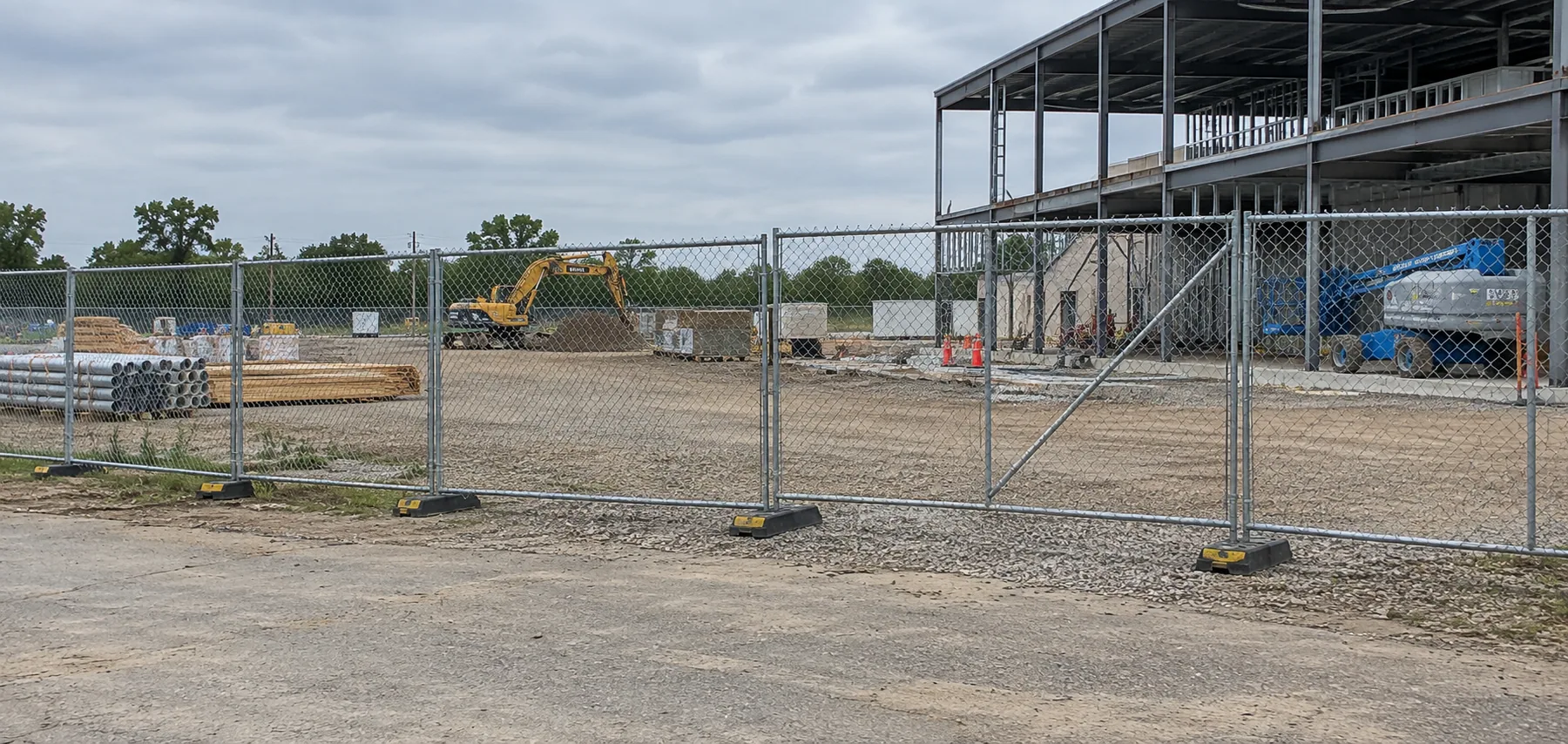
Check limestone drives, gates and drainage
Trace the truck route, confirm surface strength and note overhead hazards. On a ranch or field site, include culverts and soft shoulders.
Project term or permanent operation
Lease shipping containers for builds and overflow. Buy for recurring contractor or ranch storage; compare wide equipment needs with a steel building.
Separate secured-facility and ordinary jobsite needs
Military-support contractors, institutions and construction crews may require different check-in, storage and access procedures. Describe the contents and who retrieves them before selecting racks or locks. Compare bulky equipment with the cargo opening and inside length. Temperature-sensitive supplies need a specific protection plan during hot weather. A storage container should support accountable inventory, not become an occupied crew room without the proper building and utility provisions.
Plan the gate, ground and agreement together
Confirm credentials, delivery windows, overhead clearance and the trailer pull-away line. Outlying properties add gates, culverts, gravel and farm or fleet circulation. Lease for a defined contract or building phase with clear extensions and pickup. Buy for continuing contractor, facility or service-yard use where maintenance is assigned. Use the container quote checklist to compare the complete delivered job, including site assumptions and required features. Assign a site contact who can approve the final placement.