Make overflow easy to count and move
Zone inventory by product and movement rate, keep heavy parts low and leave an aisle. Compare rack depth and pallet handling with the clear dimensions.
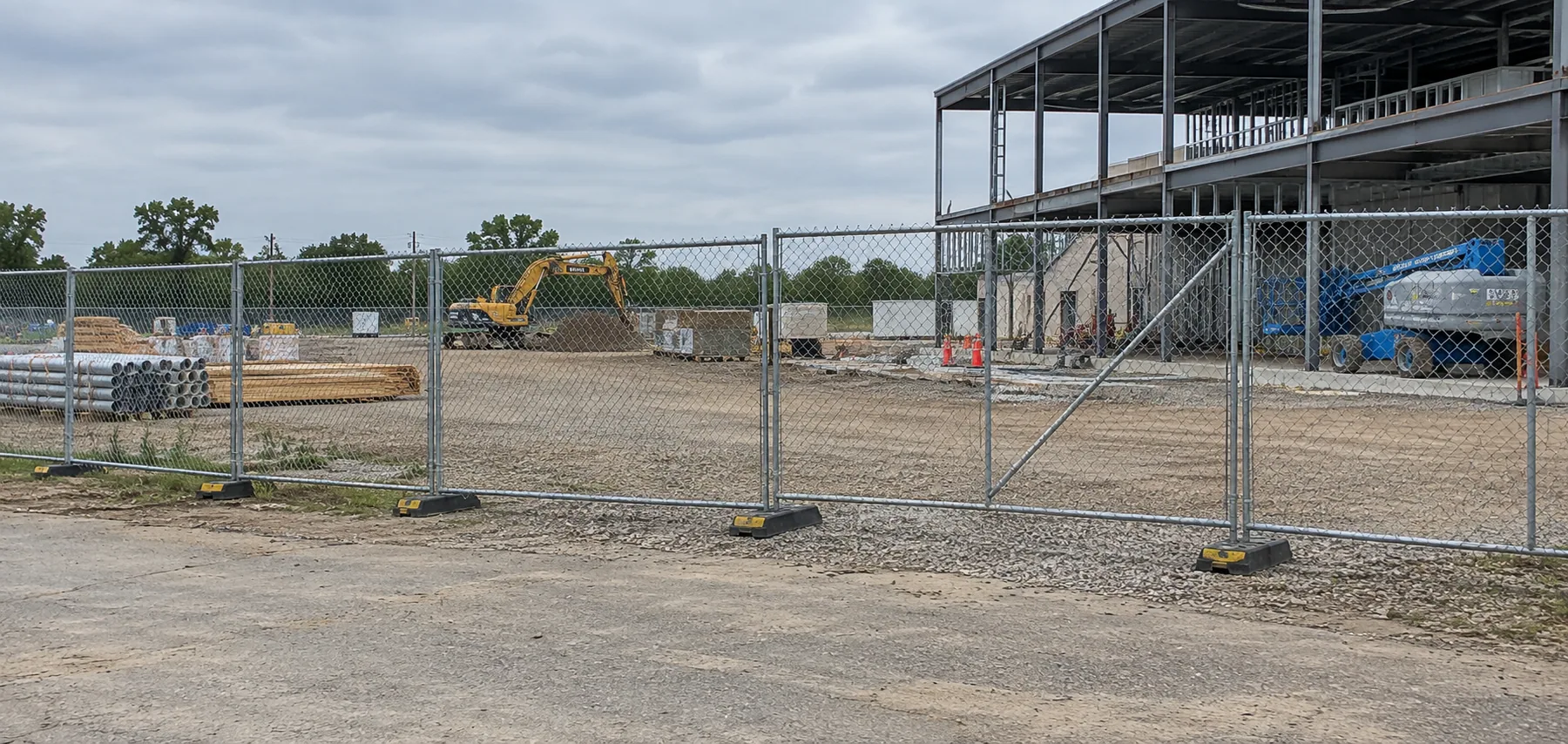
Schedule around freight traffic
Active yards, heat, gates and changing development access require coordination. Decide door direction and keep the driver outside live dock or fleet movement.
Plan for heat and pickup
Sensitive goods may need ventilation or conditioning. Preserve fire, trailer and emergency routes and avoid fencing the unit into place. Permanent machinery or shop needs may justify a steel building.
Separate peaks from permanent demand
Lease shipping containers for inventory surges and projects. Purchase for recurring logistics, plant or contractor storage.
Give warehouse and fleet reserve stock a location system
Mesquite operations should label outside goods by product family, vehicle system or work order. Keep returned parts separate from serviceable replacements and record received quantities. Check racks and packaged assemblies against the working dimensions, preserving a retrieval aisle. Durable reserve supplies may fit better than fast-picked orders needing repeated trips through the yard. Heat-sensitive products require their own storage review; secure dry capacity should support the operation without implying the conditions of a climate-controlled warehouse.
Review the yard during normal working activity
Consult receiving and dispatch staff so the container does not consume a trailer turn or after-hours fleet position. Photograph the final approach and keep emergency movement clear. Lease shipping containers for a project or demand peak with removal planned. Buy for recurring support where placement and maintenance are approved. Inspect drainage, leave exterior check access and preserve the pickup line as more equipment or fencing arrives. A useful box should remain accessible after the initial storage rush passes.