Size for the lot as well as the load
Measure gates, parking and trailer pull room, then compare fixtures or tools with 20-foot and 40-foot capacity. Load by project phase to prevent repeated handling.
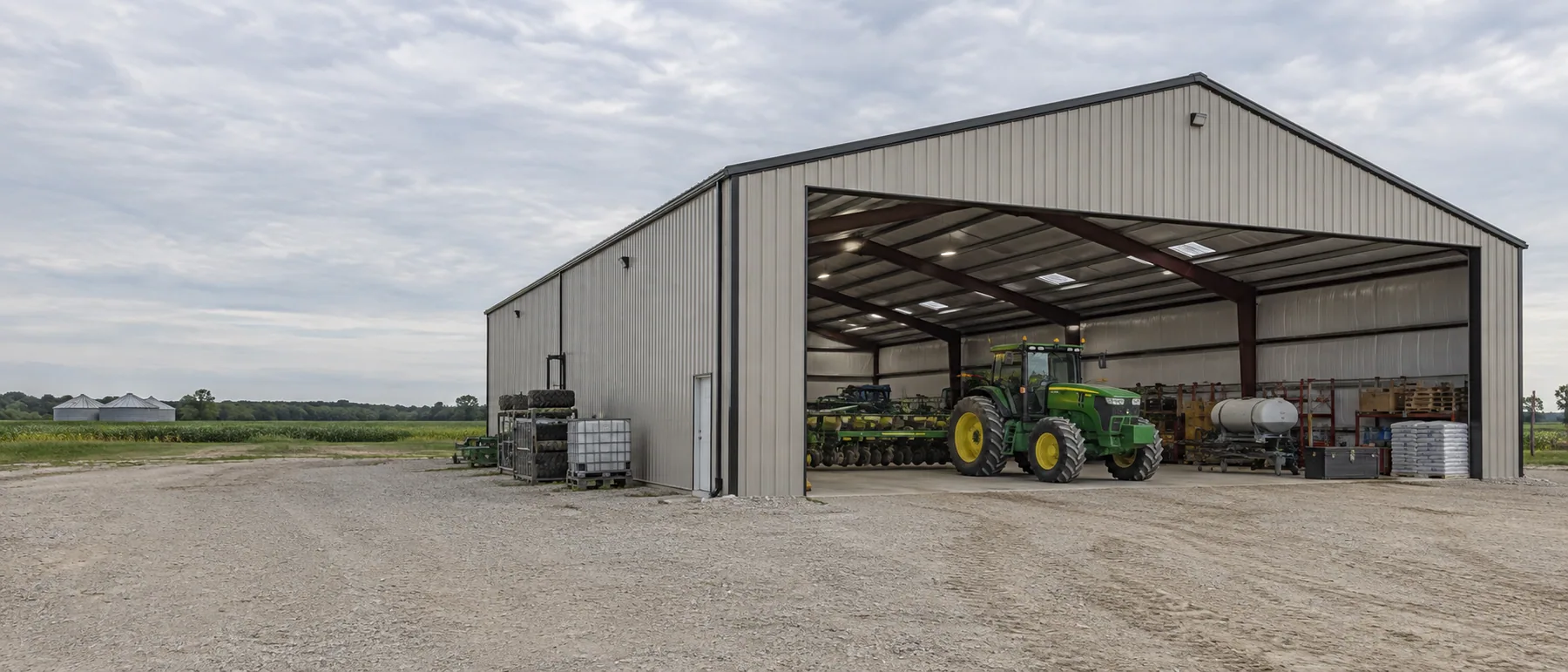
Protect customers, residents and event traffic
Confirm delivery hours, screening, surface protection and the designated fire route. Keep doors away from pedestrians and schedule placement outside peak venue or school activity.
Keep growing projects flexible
Lease shipping containers for a construction phase, opening or event season. Purchase only when a contractor or service business has durable approved yard space.
Reserve project storage before the site fills up
New construction, school work and venue activity can consume available delivery room quickly. Obtain property approval and record gates, screening, overhead clearance and trailer pull-away space while mobilization is still being planned. Compare container footprints with the area available outside customer, resident and fire routes. The unit should not occupy the parking or service space needed during peak activity. Mark pickup access before fences, trade material and permanent landscaping reduce the approach.
Load by building or event sequence
Put early-use fixtures and equipment forward, label tools by crew and keep fragile goods accessible. Heat-sensitive materials may require ventilation or conditioning. Leasing suits openings, events or construction phases with realistic extensions; purchase suits recurring contractor or service-yard capacity with upkeep assigned. Review rental-duration guidance, and compare complete transport and site scopes rather than a monthly figure that omits the restricted removal window or managed-property requirements.