
Specify storage by the work being done
Oilfield parts, medical-project materials and ranch equipment do not share the same loading plan. Record the heaviest and longest item, expected pallet count and daily access. The container size chart helps turn that list into a workable floor plan.
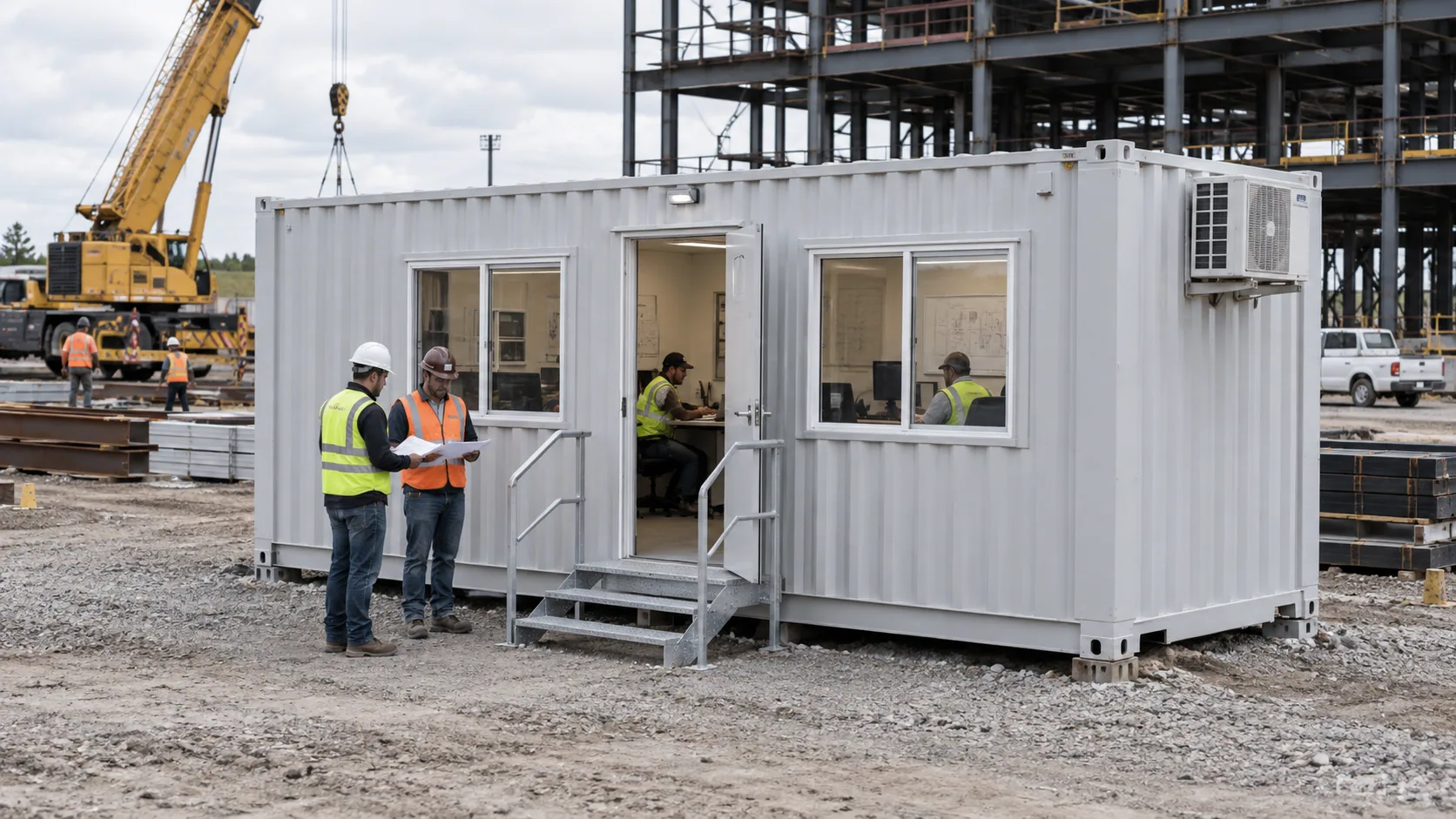
The last mile can be the hardest
Wind, snow, gravel approaches, culverts and long rural drives should be discussed before dispatch. In a distribution yard, the challenge shifts to gate check-in, dock schedules and semitrailer circulation. Door direction needs to be decided before loading the trailer.
Leave room for winter and equipment
Do not use the snow-storage zone or a livestock, fleet or emergency route as the container pad. Prepare drained, level support and keep access open for inspection and eventual pickup. Larger machinery storage or covered repair work may point toward a steel building.
Project box or long-term yard equipment
Renting can follow a field job or build schedule. Buying often fits an established energy-service, distribution, ranch or contractor operation that will use the same secure capacity repeatedly.
Ranch and field-service teams can use the guidance on containers for farm equipment and supplies when separating contents.
Build a dispatch stockroom for a wide service territory
Billings regional service businesses need a reliable way to issue ordinary repair parts before crews leave town. Mark emergency stock, group supplies by job and separate unused returns from inspected equipment. The size guide helps check long components, racks and carts while preserving an aisle. A receiving list keeps outside quantities visible to purchasing staff. Durable tools may suit dry secure storage, but sensitive parts or special materials need their requirements reviewed rather than being added simply because there is an empty shelf.
Evaluate the rural final mile and winter yard
Include gate turns, cattle guards, culverts and the pad in approach photographs. Reserve snow storage away from the doors and keep the truck pickup path firm and available. Lease shipping containers for a project or seasonal demand. Buy for recurring storage where property approval and upkeep are established. Inspect support and door operation after thaw, and keep returned wet gear apart from clean stock so the storage system remains dependable between field assignments.