
Set up for shifts and service teams
Plant parts and project supplies should be labeled by system and frequency. Keep heavy stock low and preserve a clear aisle. Use the shipping container working dimensions to decide whether a 20-foot unit is enough or a 40-foot unit will remain accessible.
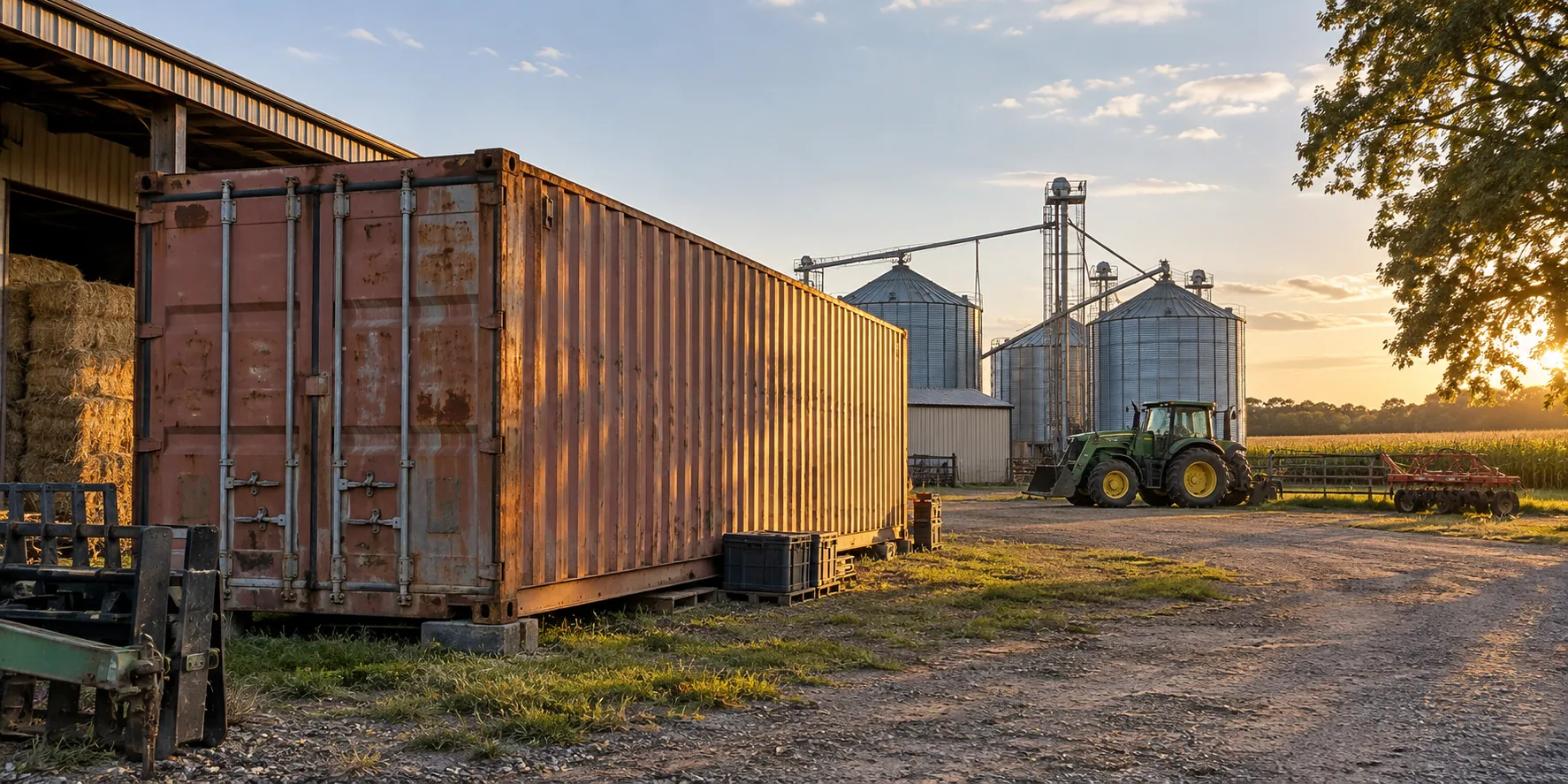
Winter changes an industrial yard
Reserve plowing and snow-storage space, check grades and low clearances and schedule around dock and shift traffic. A truck route that works in summer may narrow sharply after storms.
Manage moisture as well as snow
Load dry goods, keep cartons raised and maintain drainage around stable supports. Review condensation control before storing sensitive equipment through temperature swings.
Match the term to the shutdown or program
A lease fits projects, shutdowns and temporary overflow. Purchase supports a plant, contractor or facility group with recurring storage and an approved maintenance plan.
Stage fixtures for older-building renovations
Springfield projects can receive cabinets, furnishings and equipment before indoor work areas are ready. Load by installation package and protect finished surfaces from returned tools. Check complete packed items against the door opening and interior dimensions. An orderly receiving register keeps project supervisors aware of what remains outside. Older service yards may limit turns or available support, so establish the approach before choosing length. Sensitive goods need their environmental requirements reviewed rather than being assigned to ordinary dry storage by default.
Keep snow from converting storage into a retrieval problem
Agree with the property contact on delivery timing, neighboring loading needs and snow-removal areas. Leave the doors a clear landing and preserve the truck pickup line. A lease suits a defined renovation or seasonal requirement. Buying fits repeated facility or contractor storage with long-term approval and maintenance assigned. Keep wet returns separate from dry supplies, inspect support after thaw and leave exterior access for checks. Later fencing, dumpsters and equipment must not close the original approach.