
Industrial storage needs a picking plan
Manufacturing and steel-related support inventory should be arranged by weight, frequency and handling method. Keep heavy parts low, preserve an aisle and confirm the clear door opening. A high-cube unit helps only when racks or tall material use the added height; see the shipping container size comparison.
Wind and traffic matter at placement
Open exposure, rail movements, trucks and farm equipment can turn a convenient corner into an unsafe one. Confirm local anchoring questions, mark underground services and keep the container outside equipment swings and emergency access.
Prepare for Pueblo weather, not a catalog photo
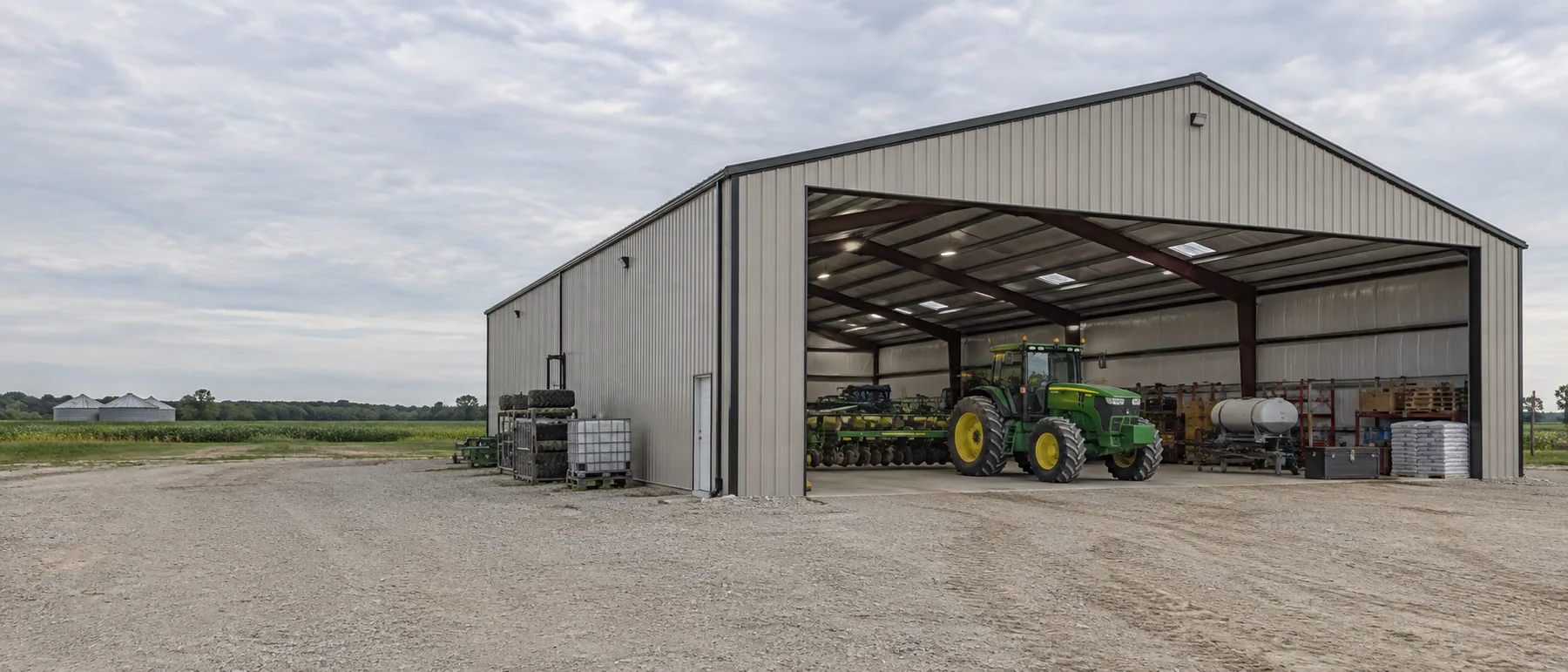
Heat, cold, wind and blowing dust affect door operation and sensitive stock. Stable supports, drainage, ventilation and routine inspection matter more than cosmetic exterior condition. A permanent shop or equipment bay may be better served by a steel building.
Use duration to separate rent from buy
A shutdown, utility job or construction phase can favor a lease. A plant, farm-service company or contractor expecting years of use gains more control through purchase, especially when racks or power are part of the plan.
Condition grades matter for working inventory; review wind-and-watertight versus cargo-worthy terminology.
Keep industrial and agricultural-service supplies organized
Pueblo contractors can create an outside issue point for ordinary durable tools, replacement components and project stock. Label shelves by system or work order and separate returned gear until it has been checked. Dense parts need safe handling access, not simply a larger box. Compare packaged assemblies and long material with the container dimensions. Agricultural-service supplies with special handling or environmental requirements should be reviewed separately. A practical storage layout frees shop capacity without turning the container into an untracked mixed-material pile.
Plan exposed-yard use beyond delivery day
Confirm support, door orientation and the final truck approach with photographs. Preserve drainage and daily retrieval space, and keep snow or stored equipment from blocking the entrance. Leasing can follow construction or a seasonal service period. Buying shipping containers suits recurring use with approved placement and maintenance ownership. Leave room for exterior hardware and coating checks. Inspect the site after changing weather conditions, particularly where a rural approach or gravel surface can soften and affect eventual pickup.