
Choose the largest size the route supports
Measure turns, gates, overhead wires and trailer pull-away room, then compare that footprint with the size options. A well-organized 20-footer can outperform an inaccessible 40-footer.
Plan around events and campuses
Confirm delivery windows, security and public-route restrictions. Do not place a unit where event barriers, later construction or landscaping will block pickup.
Protect sensitive project material
Laboratory cases, finishes and electronics may need more temperature and moisture control than standard dry storage provides. Crews needing occupied space should review mobile offices.
Keep urban storage flexible
A lease is usually right for a defined project or event. Ownership requires an approved long-term service property and recurring use.
Plan laboratory and event supplies as separate loads
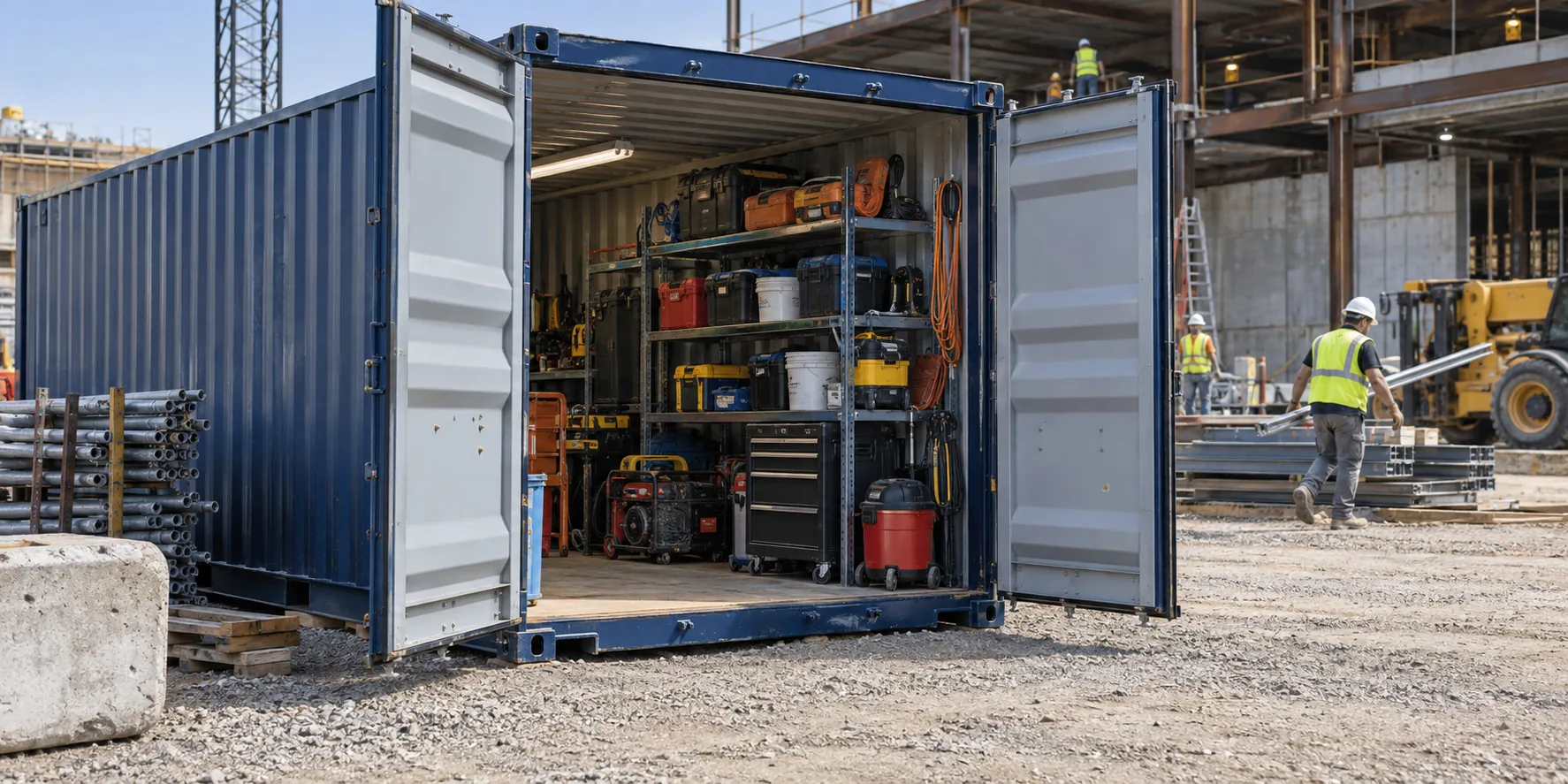
Pasadena institutional and event projects can need outside capacity for durable tools, fixtures and setup equipment. Sensitive instruments and finishes may have different environmental requirements, so establish suitable contents before loading. Mark installation packages, separate returned equipment and measure complete cases against the container size guide. A clear aisle and receiving register make the box useful to another crew. Capacity should support organized staging rather than imply controlled conditions or occupied workspace that have not been specified.
Keep event closures and foothill approaches in view
Photograph curves, grades and overhead hazards through the final approach, and confirm appointments with the property contact. Preserve pedestrian and emergency movement. Leasing shipping containers fits a defined shoot, event or renovation with removal planned. Buying suits recurring support at an approved long-term location with upkeep assigned. Temporary barriers and later landscaping must not close the pickup route. Leave exterior inspection space and a firm door landing so workers can retrieve supplies safely as the project changes around the unit.