Keep farm, food and marine needs distinct
Food-adjacent packaging, chemicals, repair parts and marine gear have different sanitation, ventilation and security requirements. For suitable goods, use the shipping container size guide to create clear zones.
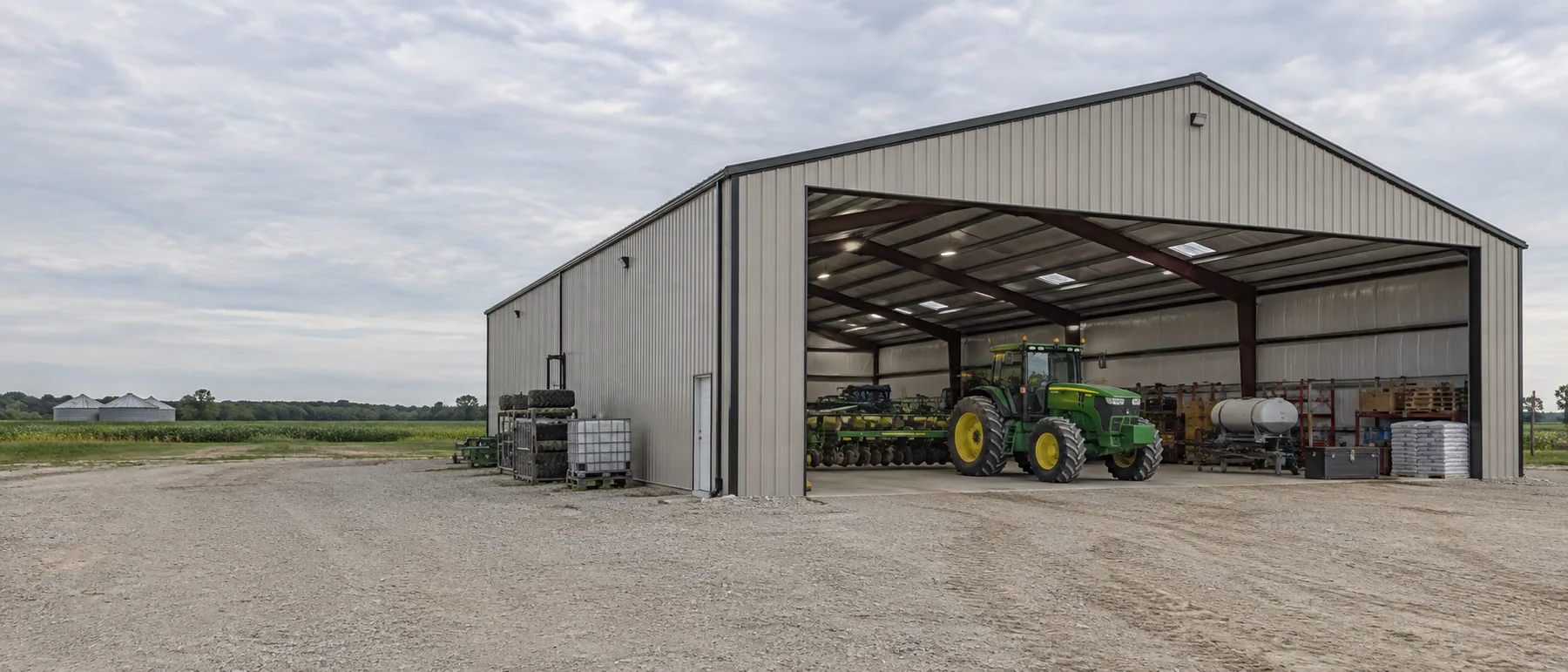
Check fields, yards and coastal weather
Review gates, irrigation crossings, soft ground, docks and truck traffic. Inspect coatings, direct runoff away and keep farm equipment, port and emergency routes open.
Use season or continuing capacity
Shipping container leasing fits harvest support, projects and inventory peaks. Buying fits recurring farm-service, marine or distribution use with assigned maintenance.
Separate coastal work gear from clean packaging
Oxnard farm, marine and processing support can involve very different storage loads. Do not stack clean packaging beside used equipment, oily tools or materials with special handling needs. Confirm suitability with the operation before moving anything food-adjacent outside. For ordinary durable supplies, establish labeled shelves and a receiving area. The container sizes chart helps check crates and long components through the doors. Leave an inspection aisle so staff can catch moisture damage, pests or missing stock without unloading every shelf.
Maintain the exterior instead of hiding it
Coastal exposure makes access for coating and hardware checks worthwhile. Position the box where drainage works and employees can reach the doors without crossing busy equipment travel. Leasing can cover seasonal agricultural support or a defined construction project. Buying shipping containers suits repeat use at an approved property with an assigned maintenance owner. Include truck approach photographs and the intended handling method in the request, and preserve removal access when field equipment or temporary barriers change the layout.