
Select the unit the route can receive
Review grades, gate widths and pull-away room before choosing between 20-foot and 40-foot containers. Plan the interior around tools or materials that crews need first.
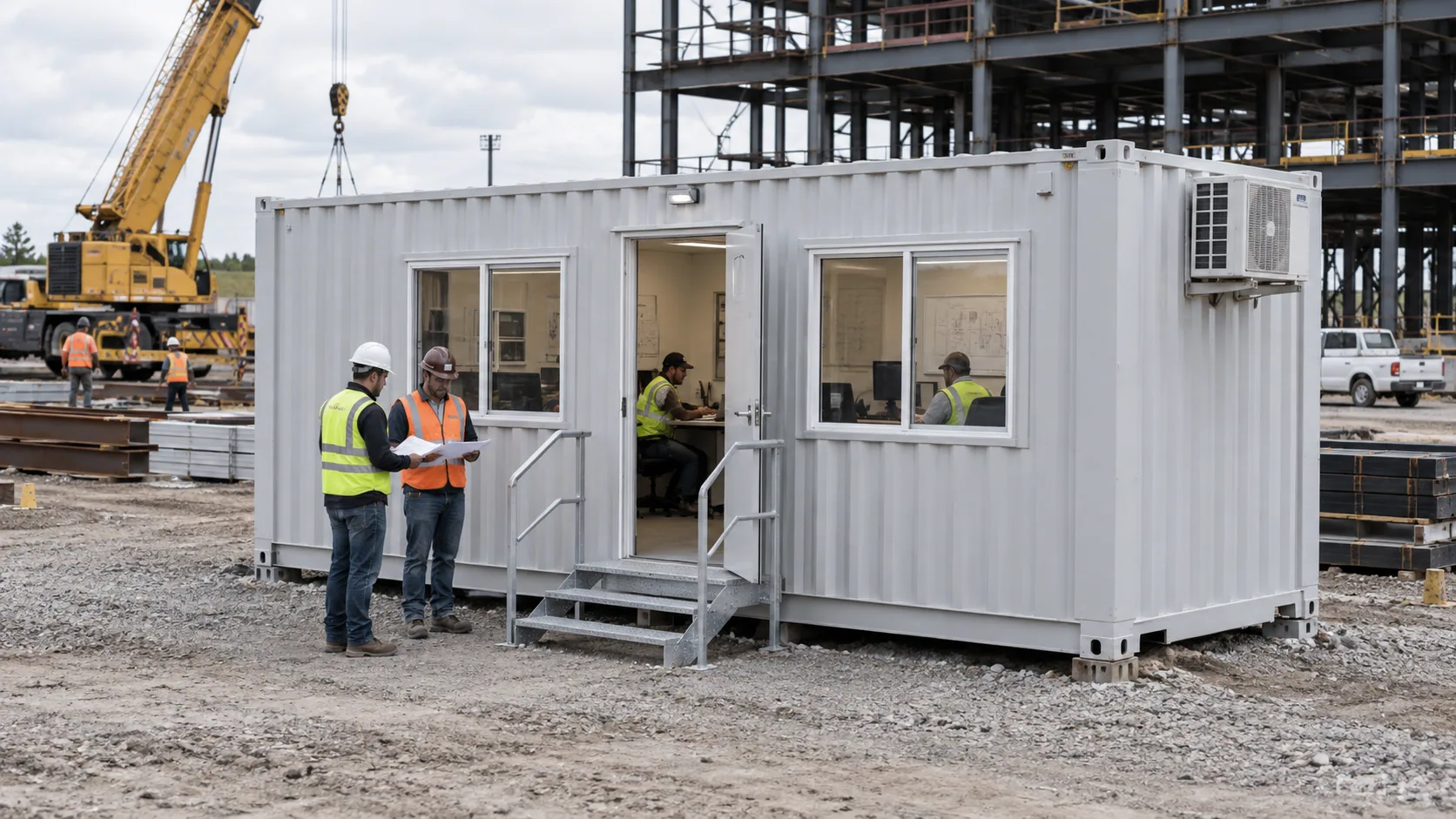
Account for security and coastal conditions
Controlled properties may require advance check-in and specific delivery hours. Inspect coatings and door hardware, direct drainage away and keep public, fleet and emergency movement open.
Keep temporary uses reversible
Rent shipping containers for a project or seasonal need with a protected pickup route. Own recurring contractor or marine-service storage only where long-term approval and upkeep are established.
A coastal hillside property needs an exact approach
Check grades, curves, gates, overhead trees and the trailer pull-away line before selecting capacity. Controlled defense or facility projects may require credentials and specific delivery hours. Managed communities can add screening and surface-protection requirements. Compare container footprints with the complete truck path. A shorter unit may offer better working value where a long box would restrict resident, visitor, fleet or emergency routes on an already constrained property.
Keep marine and contractor material serviceable
Label parts by job and materials by installation phase, separating wet gear from clean supplies. Sensitive goods may need humidity or temperature controls. Leasing suits a contract, renovation or seasonal need with pickup reserved. Purchase suits recurring marine-service or contractor capacity with coating and hardware checks assigned. Review security guidance alongside gate access and staff retrieval procedures, protecting stock without creating barriers that prevent eventual inspection or removal. Maintain coastal inspections without blocking visitor or marine-service circulation.