
Separate field and farm inventory
Plan zones for parts, tools and regulated materials, then choose from common sizes with an aisle.
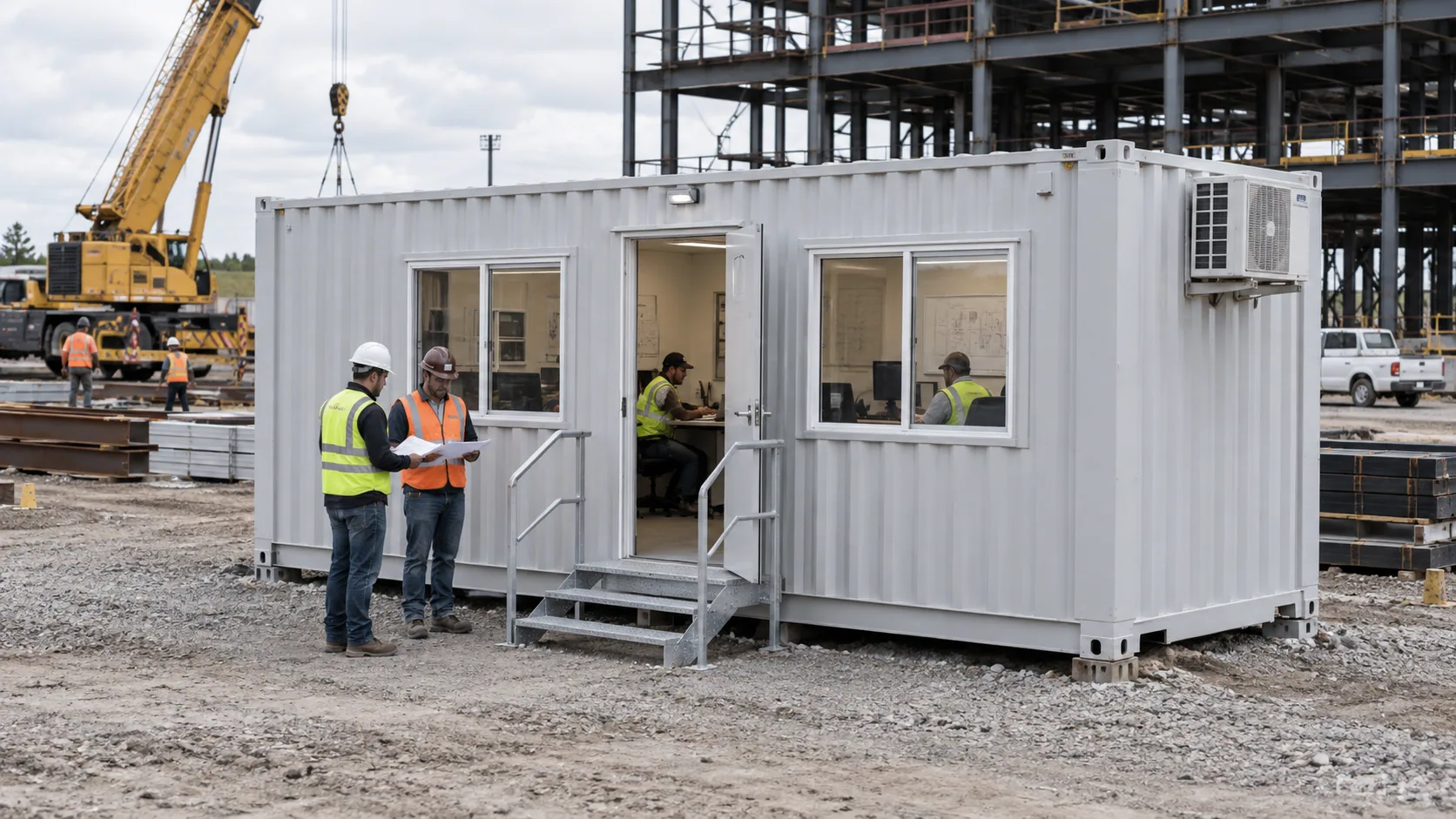
Check the last mile
Review gates, soft shoulders, oilfield or farm traffic and surface strength, keeping equipment swings clear.
Follow project or recurring demand
Lease field programs. Buy recurring energy, farm or contractor storage; large machinery may need a steel building.
Plan for energy, agriculture and valley heat
Separate field-service parts from farm chemicals or temperature-sensitive goods. Check dust, rural roads and heavy equipment routes, and keep the box accessible to crews without crossing live operations.
Separate energy and agricultural material by requirement
Oilfield fittings, farm parts, chemicals and packaged supplies should not share an unplanned storage space. Define contents, incompatibilities and issue frequency before choosing shelves or vents. Dense stock belongs low and an aisle should remain clear. Compare long material with the door and interior dimensions. Heat-sensitive products need an explicit protection plan. For broad equipment coverage or recurring repair work, compare compact lockable storage with a steel building.
Plan the rural or industrial final approach
Check gates, culverts, soft shoulders, overhead lines and dust on field properties. Plants add credentials, process traffic, rail and docks. Preserve farm, fleet and emergency routes. Lease for a service program, harvest period or construction phase; purchase for recurring yard use with maintenance assigned. Review farm-storage guidance and include support, drainage, transport and eventual pickup assumptions when comparing the complete job. Preserve field-equipment turning room when seasonal stock expands beside the unit.