Define the product requirement
State the target temperature range, acceptable fluctuation, loading temperature and whether the contents produce heat or moisture. A reefer designed to maintain temperature is not automatically a pull-down freezer for warm product.
Confirm power and service
Verify voltage, phase, amperage, connector, cord length and the electrical work required at the site. Plan alarm response, monitoring, drainage, preventive service and a contingency for power or equipment failure.
Protect airflow and access
Product should be loaded to preserve the unit’s designed air path and operating clearances. The site must allow machinery service, door operation and safe electrical access. Compare specialized lease terms or purchase scope with power and service included.
Refrigerated shipping container rental or purchase
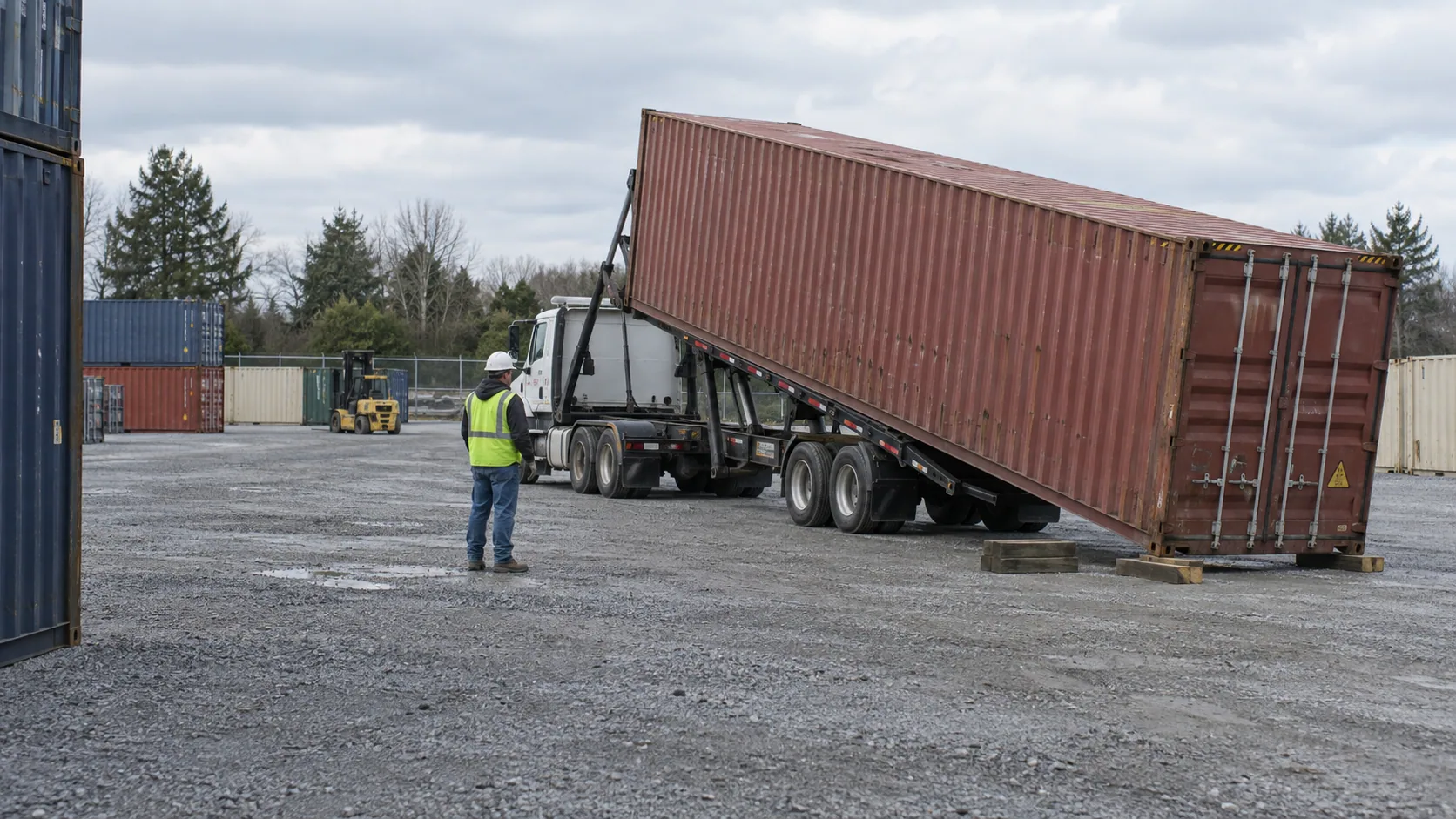
Before requesting a refrigerated container rental quote or container purchase quote, identify the required temperature, product loading conditions and electrical supply. Refrigerated containers, also called reefers, need an operating system and service plan, not just insulated walls. Use our refrigerated shipping container guide to prepare the machinery and power questions. Confirm whether transport, connection, monitoring and maintenance belong to the quoted scope, and do not assume ordinary dry-storage container availability covers reefer equipment.
Compare refrigerated shipping containers: quote checklist
- Required temperature and product load
- Unit test, age and machinery condition
- Electrical supply and connection
- Monitoring, alarms and emergency plan
- Airflow, drainage and service access
Use the shipping container sizes and dimensions guide and common questions to resolve the details before comparing suppliers.