
Use both ends intentionally
Doors at both ends can separate incoming and outgoing material, reduce the distance to stored items or support a pass-through loading plan. The benefit disappears if a wall, fence, vehicle lane or later construction blocks one end.
Plan security and weather checks twice
Two door sets mean two thresholds, seal systems and locking points to inspect. Confirm whether both ends have equivalent lock protection and how daily users will control access.
Reserve the full operating footprint
Add door swing and worker space to both ends of the container footprint. Coordinate orientation before delivery and use the shipping container sizes and dimensions to confirm interior length and clear openings.
Double-door container sizes and purchase options
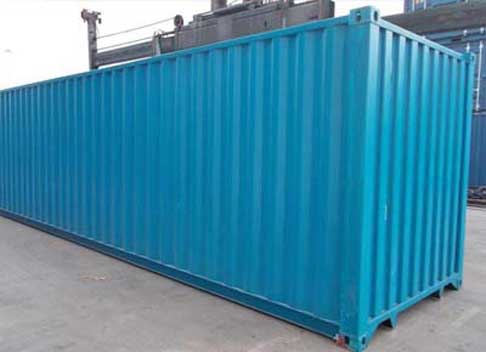
Double-door shipping containers can provide access at both ends, often described as tunnel containers. When requesting a shipping container purchase quote, specify doors at both ends rather than ordinary paired doors at one end. Check the shipping container dimensions and reserve door swing at each entrance. Our shipping container door options guide helps compare configurations. For temporary work, ask whether the required layout is available through container leasing and whether both ends can remain accessible until pickup.
Compare double-door shipping containers: quote checklist
- Material flow from each end
- Door swing and retrieval areas
- Locks, seals and threshold condition
- Placement orientation and traffic
- Interior aisle and shelving layout
Use the shipping container sizes and dimensions guide and common questions to resolve the details before comparing suppliers.